Wetlands
What Are Wetlands?
Wetlands are areas where water is present often enough to support wetland plants and aquatic life. They include bogs, swamps, and marshes. Wetlands can be found on both public and private lands.
Types of Wetlands
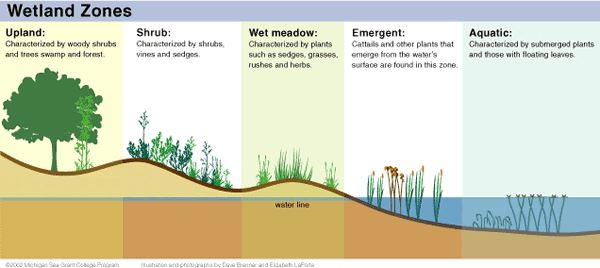
Wetlands are not just cattail or lily pad areas. They can also be grassy meadows, shrubby fields, or mature forests. Some types include deciduous swamps, wet meadows, emergent marshes, conifer swamps, wet prairies, shrub-scrub swamps, fens, and bogs.
Why Are Wetlands Important?
Wetlands play a key role in supporting Michigan’s natural resources, including lakes, groundwater, fisheries, wildlife, and the Great Lakes. They offer many benefits such as:
- Controlling floods and storms by absorbing and storing water.
- Providing habitats for wildlife, including rare and endangered species.
- Protecting water resources and recharging groundwater supplies.
- Treating pollution through natural processes.
- Controlling erosion by filtering silt and organic matter.
- Providing nutrients and nurseries for fish.
These functions support recreation, tourism, and the economy. With over half of Michigan’s original wetlands lost, protecting the remaining areas is crucial.
Wetland Resources
Explore more about wetlands using these resources: